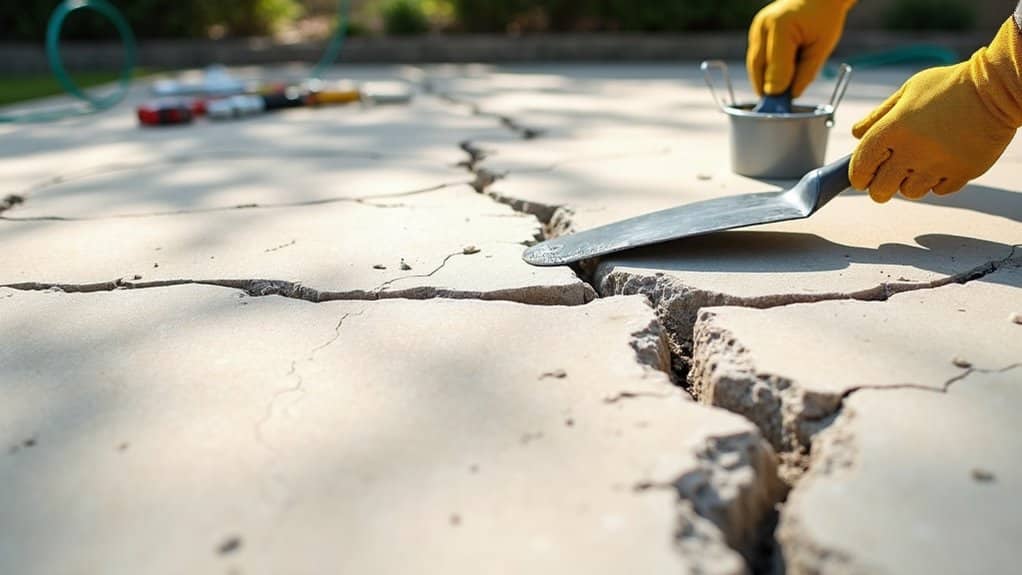
Replacing a driveway, pouring a patio, or repairing a pool deck in Tampa requires more than a rough guess and a folded brochure. Concrete looks simple, but the price can change based on soil, access, reinforcement, finishes, and local permits. Budgeting well keeps the project on schedule, prevents surprises, and often saves more than the small amount you might shave off by choosing the cheapest bid.
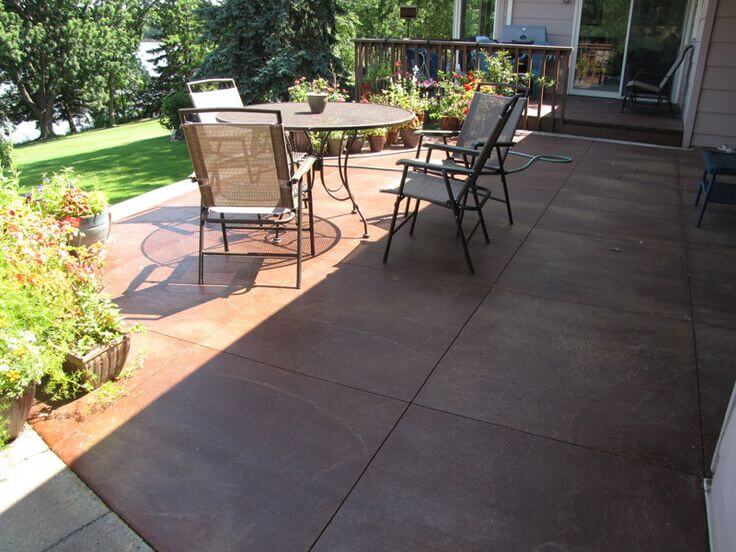
Below I explain what drives price, how to build a realistic number, where to cut costs without sacrificing longevity, and how to work with local contractors who offer transparent, dependable estimates. The advice reflects years of walking job sites, reading plans with homeowners, and reviewing invoices from All Phase concrete and other local firms. Concrete Services in Tampa FL has unique demands that you should plan for from day one.
Why Tampa matters for concrete budgets
Tampa's climate and soil conditions are not generic. The region has sandy soils, variable water tables, and frequent heavy rains during parts of the year. Those facts influence foundation depth, the need for soil stabilization, drainage details, and timing. Permitting in Tampa is generally straightforward, but some neighborhoods and HOA zones require architectural review or specific finishes. Flood zones and hurricane codes may push reinforcement and anchoring beyond what a driveway https://seoneoapi.blob.core.windows.net/concrete-services-in-tampa-fl/concrete-contractor/all-phase-concrete-specialty-finishes-available-in-tampa-fl.html contractor would do inland.
Because of these local factors, bids for Concrete Services in Tampa FL will often include line items you might not see elsewhere: extra base material, engineered rebar placement, drain inlets, and more detailed grading. Expect those items and plan your budget around them rather than treating them as add-ons.
Common cost drivers you must understand
Concrete pricing is not just "per square foot." Below are the main variables that will show up on any professional estimate in Tampa. Read them and match each to your project so you can ask targeted questions and compare apples to apples.
- scope and thickness: a standard 4 inch slab used for a sidewalk is far cheaper than a 6 or 8 inch driveway slab, and load expectations change reinforcement needs. site access and demolition: tight yards, long runs from the street, and removal of existing material add labor and equipment time. subgrade and base prep: sandy or wet soils require more fill, compaction, or geotextile fabric to prevent cracking and settlement. reinforcement and control joints: wire mesh, rebar, and saw-cut joints reduce cracking but increase material and labor. finishes and color: broom finish is standard and economical; stamped, colored, or exposed aggregate raise labor and material costs significantly.
How contractors price a job, step by step
When a contractor from a firm like All Phase concrete calculates an estimate, the process usually follows a clear logic. Knowing that logic lets you verify a bid quickly and spot missing elements.
First, they measure the area and determine thickness. For residential drives, 4 to 6 inches is common; heavier vehicles demand more thickness and reinforcement. Second, they assess demolition and haul-off. If old concrete or tree roots are in the way, removal adds to both time and disposal fees. Third, they evaluate site access and equipment needs. A backyard with easy access may be quicker, but if the crew needs a crane, a large skid steer, or to run hoses a long distance, expect higher labor costs. Fourth, they itemize materials: concrete, rebar or mesh, gravel base, anchors, sealers, and joint materials. Lastly, they include labor hours, finishing, curing time, and cleanup.
A quick anecdote: I once compared three bids on a Tampa patio. The lowest estimate was 25 percent cheaper, but the fine print revealed no base preparation and no reinforcement. Six months later, after a wet season and mild settling, the patio had hairline cracks and one sunken corner. The middle bid included base and mesh and has held up for five years. The cheapest option looked attractive on paper, but the long-term cost was higher because of early repairs and reduced value.
Typical price ranges to expect in Tampa
Exact numbers vary by neighborhood and project, but these ranges reflect what I see regularly in Tampa for common residential jobs. All numbers are estimates, not guarantees, and assume a mid-range finish and typical site conditions.
- driveways: $6 to $12 per square foot for a standard broom finish 4 to 6 inch slab, excluding removal of old concrete and major grading. patios: $5 to $15 per square foot depending on stamping, color, and complexity. sidewalks and walkways: $4 to $8 per square foot for simple broom finish slabs. pool decks: $6 to $18 per square foot depending on slip-resistant finishes and expansion joints. small foundations and pads: $7 to $14 per square foot depending on thickness and reinforcement.
These ranges can widen if you need stamped finishes, integral coloring, exposed aggregate, or extensive subgrade work. For stamped patios and intricate patterns, add 25 percent to 100 percent over the base price.
How to get three meaningful bids
Hiring based on the lowest number invites problems. Instead, get at least three bids that you can compare line by line. You want to know what is included and what is excluded. Ask each prospective contractor to break the estimate into demolition, base prep, materials, labor, reinforcement, finishing, permits, and cleanup. If one contractor lumps everything into a single line item, ask for clarification.
When you schedule estimates, do these four things: provide a site plan or accurate dimension sketch, point out existing utilities and irrigation, mention HOA restrictions or special permits, and specify the finish or look you want. That saves time and reduces surprises on the day the crew shows up. Also, ask about warranties and what they cover. Most reputable concrete contractors in Tampa will offer a workmanship warranty and will explain the difference between cosmetic hairline cracking and structural issues that they will repair.
Smart ways to save without sacrificing durability
Concrete costs can climb fast, but there are practical ways to lower price while keeping a durable result.
Choose the right thickness for the use, not the "one size bigger" approach. For example, a 4 inch slab is adequate for foot traffic and light vehicles; a 6 inch slab is reasonable for household SUVs. Avoid paying for 8 inches unless you regularly drive heavy trucks across the surface.
Limit stamped areas to where they show. If you want stamped concrete for visual impact, reserve it for the main visible areas and use a standard finish for secondary zones. Color and sealers are another place to save: integral color costs more than surface stains, but stains can be refreshed later at lower cost.
Plan drainage and grading during the design phase. Poor drainage forces future repairs and increases the chance of heaving. Installing a properly graded base and perimeter drains up front is cheaper than redoing settled slabs.
Accept that some costs protect your investment. A good gravel base, proper compaction, and reinforcement are not glamor items, but they prevent larger repair bills in five years. When a contractor from All Phase concrete or another local company recommends a thicker base or geotextile fabric, ask them to show photos or explain how it addresses a specific site condition.
How to handle permits and inspections in Tampa
Permitting is often misunderstood. Many small projects such as a basic 4 inch concrete pad may not need a permit, but driveways, structural slabs, and anything affecting runoff or retaining walls usually do. The City of Tampa and Hillsborough County have different rules in some cases, so verify with your contractor which jurisdiction applies. Good contractors will pull permits on your behalf and budget permit fees into their estimate.
Inspections take time and need scheduling. Concrete work often requires a masonry or building inspector to approve the base and rebar prior to pour. If you plan to pour before an inspector can visit, that can cause a rework if the inspector rejects the preparation. Plan your schedule around permit timelines and inspections to avoid delays and added costs.
Payment schedules and contract terms to negotiate
Contract terms matter. A common, reasonable payment schedule for residential jobs is 30 percent deposit, 50 percent at pour, and 20 percent on completion. Be wary of contractors who demand 100 percent upfront. Ask for a written contract that spells out scope, materials, schedule, cleanup, and warranty. Make sure it details what happens if you change the project mid-stream.
Include a clause about weather delays. Tampa's afternoon storms in summer can wash out a pour day. A clear clause prevents frustration when the crew delays a pour for safety and quality reasons. Also add a small contingency in your budget, typically 10 to 15 percent, to cover unexpected site issues or minor change orders.
Financing options and how to evaluate them
If the project exceeds your cash comfort zone, you have options. Home improvement loans and home equity lines typically offer lower interest than credit cards, but they require qualification and may take weeks to close. Several local contractors partner with finance companies to provide instant approvals and simple payment plans. Compare total cost of financing, including interest and fees, before accepting.
A practical way to decide is to calculate your monthly payment under different financing options and compare that to the value added by the improvement. A concrete driveway replacement that boosts curb appeal and reduces maintenance can justify financing as an investment in the home.
When to choose quality over price
There are moments when cutting cost is a false economy. If your driveway supports frequent heavy loads, or if you live in a flood-prone zone, skimping on reinforcement and base thickness invites future repairs. If your property is in a high-visibility location, a poor finish reduces curb appeal and resale value. Choose quality for structural elements and visible finishes, and economize on non-structural, out-of-sight items where feasible.
Red flags when comparing Concrete Services in Tampa FL
Watch for these warning signs during bidding and selection. First, very low bids with vague line items. Second, contractors unwilling to provide references or photos of recent work in Tampa. Third, no written warranty or refusal to pull permits. Fourth, pressure to sign immediately with large upfront payments. Reputable local companies such as All Phase concrete typically provide clear, itemized bids and a portfolio of completed projects. If a contractor resists showing past work in Tampa, ask why.
Negotiation tips that preserve quality
Negotiation is not about getting the lowest price but about getting the best value. Offer to be flexible on schedule if that reduces the contractor's labor costs. For example, a winter or shoulder season pour may be easier to schedule and priced more competitively. Ask if they can phase work to reduce immediate cost, such as pouring the main driveway now and completing a decorative apron later.
Ask contractors if they can substitute materials to save costs without weakening performance. For instance, using fiber reinforcement in some slabs in place of light rebar can be economical and effective for preventing plastic shrinkage. If a contractor recommends a change, ask for a written explanation and, if possible, references that show that approach worked on similar Tampa jobs.
Final checklist before you sign (short)
- confirm permits, insurance, and a written contract compare itemized bids line by line verify references and recent Tampa work photos agree a realistic payment schedule with final holdback budget a 10 to 15 percent contingency for surprises
Working with All Phase concrete and other local pros
All Phase concrete and similar Tampa firms bring local knowledge that matters. They understand municipal inspectors, how local soils behave after heavy rain, and which mix designs reduce shrinkage in our climate. When you call, ask specific questions about their experience in your neighborhood and request a site assessment. A contractor who takes time to explain choices in simple terms, and who documents the reasons for additional costs, is more likely to stand behind the work long-term.
Final thoughts on budgeting in Tampa
Budgeting for concrete services in Tampa FL means planning for the obvious items like square footage and finishes, and for the less visible but expensive realities like base preparation, reinforcement, drainage, and permits. Start with a clear scope, get multiple itemized bids, prioritize structural quality, and keep a contingency. These steps turn a stressful home project into a predictable investment that protects your property and improves usability.
Concrete is one of those materials where an upfront investment in quality pays off in years of trouble-free service. Spend the time to compare bids, ask contractors to explain each line, and choose the option that gives you the best long-term value rather than the lowest short-term price. When you do that, your Tampa concrete project will look and perform the way you intended for a long time.